Introduction // Kenaston, SK
So… Your Classroom is About to Look Different
In a really good way, we promise.
First off, thank you. Thank you for being the kind of educator who is willing to spend a day looking at their practice and saying, “I want to do more for my students.” Choosing to shift toward a Thinking Classroom is big, important work. It takes guts to step away from the traditional “standard” and try something that feels a bit messy and unpredictable. We’re so glad you’re on the team.
It’s normal to feel a mix of total excitement and “how-is-this-going-to-work” nerves. We’ve been there. This page is your home base to help you transition back to the classroom without the stress of needing to get it all right on day one. Remember, there is no such thing as a “perfect” Thinking Classroom – there is only the one you start building tomorrow.
The Game Plan
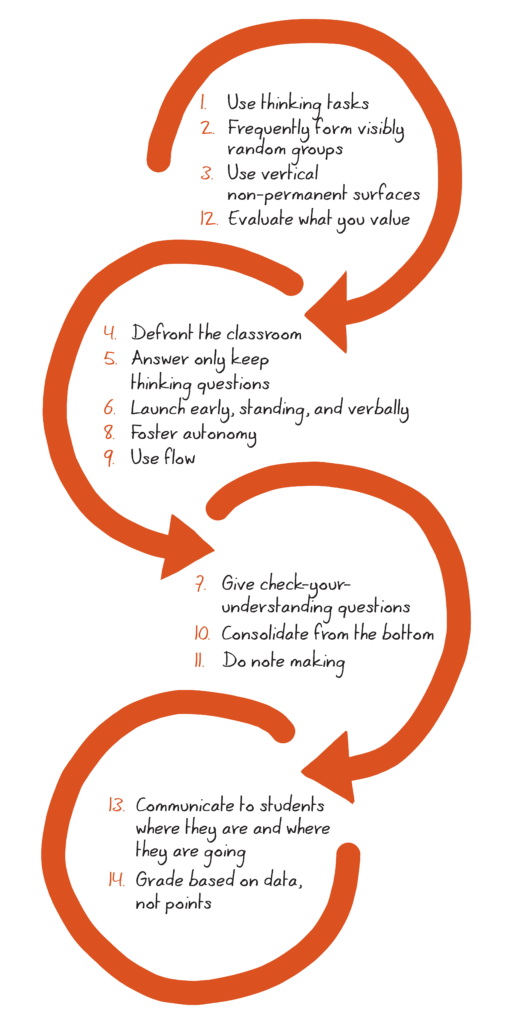
If you’re wondering where to start tomorrow morning, just focus on these four things. No pressure, no perfection—just action.
- Visibly Random Groups: Grab a deck of cards. Form groups of three in front of the students so they see it is truly random. Change these groups every single day. Trust the cards, they are the secret sauce for breaking down social barriers and building a culture of collaboration.
- Vertical Non-Permanent Surfaces (VNPS): Get them standing and working on whiteboards, windows, or erasable surfaces. When students stand and work on a surface that is easy to erase, the risk of making a mistake disappears. That’s when the thinking really begins.
- Thinking Tasks: In a Thinking Classroom, the task is the lesson. Use problems that require students to think and collaborate, rather than mimicking a procedure you just demonstrated. Deliver the task orally to get them to their surfaces and working as quickly as possible.
- Single Indicator Rubrics (The Arrow): Focus on managing behaviors in the moment. Use a simple arrow at the top of the board to help groups reflect on how they are working. Keep your labels focused on “ing-words” (actions) to help students focus on what they are doing rather than who they are.
The Goods
Practical tools for your teaching journey.
- The Slides – A copy of the slides from today for your reference.
- The Toolkits – Tape this to your desk. It’s your North Star for the framework.
- Thinking Before Content: Non-Curricular Task Sets – A curated collection of tasks specifically designed to build your new classroom culture, categorized by grade band:
- Primary (K-5) Tasks
- Farmer John (Farmer John | BTC Tasks)
- The Answers Are (Answers Are.pdf)
- How Many 7’s? How many 7’s? | BTC Tasks
- Middle (6-8) Tasks
- The Answers Are (Answers Are.pdf)
- Make A Dollar Nickels, Dimes, and Quarters | BTC Tasks
- Secondary (9-12) Tasks
- Primary (K-5) Tasks
- Managing Behaviors Guide – Download the official printable here for examples of single-indicator rubrics and tools to help you and your students track the habits that drive deep thinking.
Nerd Out (When You’re Ready)
For your commute, your treadmill time, or that one quiet planning period:
- The Origin Story: Peter Liljedahl on Modern Learners – A deep dive into the research and the “why” behind the shift.
- The Classroom Guide: Cult of Pedagogy: Building Thinking Classrooms – Jennifer Gonzalez interviews Peter; it’s a fantastic, clear overview for those just starting out.
- The Book Club Series: Think Thank Thunk has a series of episodes walking through the book chapters to hear how these practices come to life in real classrooms: Link
- Managing Thinking Behaviors: Watch this video for a quick look at how to manage the classroom habits and student actions that actually lead to deeper thinking.
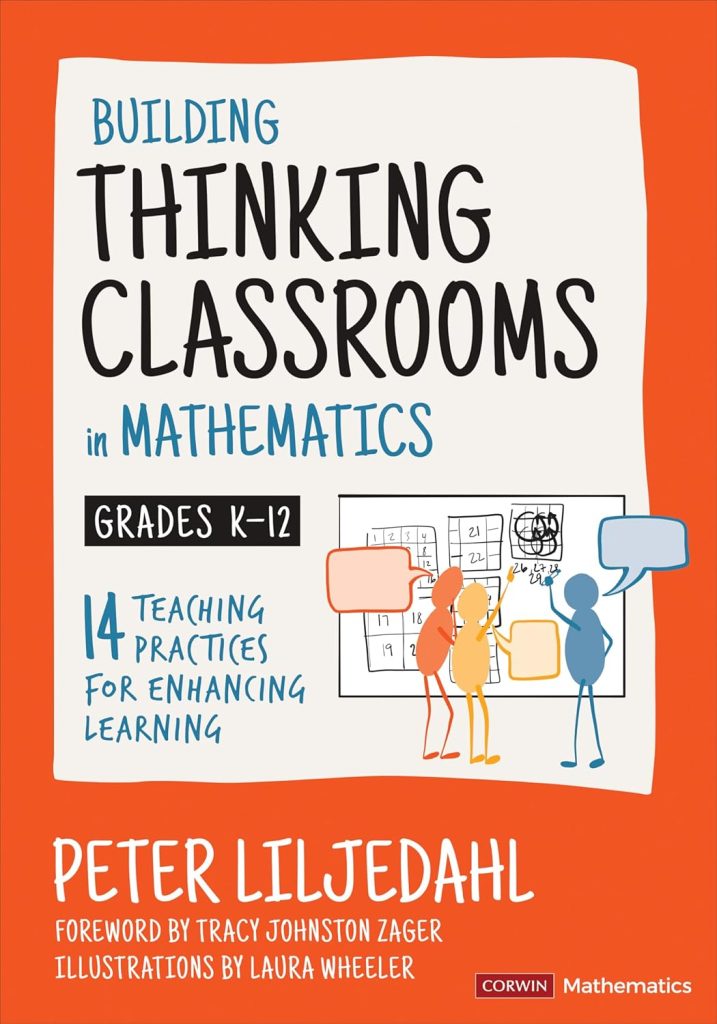
- The Deep Dive: Read the Introduction and Chapters 1, 2, 3, and 12 of the book. These are the core practices in Toolkit 1 that will help you stabilize your practice in these first few weeks.
“Yeah, But…”
“My kids are going to hate me for making them stand up.” They might for about five minutes. Then they’ll realize they aren’t bored anymore. Stick with it. The engagement will win them over by the end of the week.
“I don’t have enough whiteboards.” We’ve seen it all: shower liners from the hardware store, windows with dry-erase markers, or even those cheap plastic tablecloths. If it’s vertical and erasable, it counts.
If you’re looking for professional, teacher-tested solutions that are built for this work, check out Wipebook or The Thinking Desk. Both offer portable, durable surfaces that are perfect for Thinking Classrooms. Use the code [INSERT_CODE] for a discount on your order.
Stay in the Loop
You aren’t doing this alone. There are thousands of us out here trying to make classrooms better, one whiteboard at a time.
- The BTC Facebook Group: Join the community. It is genuinely the most helpful corner of the internet for teachers.
- Follow Building Thinking Classrooms: @buildingthinkingclassrooms
- Show Us Your Boards: Use the hashtag #BuildingThinkingClassroom on social media. We want to see those messy, beautiful boards in action!
Final Thought
“The goal of a Thinking Classroom is to create a space that is not only conducive to thinking, but also necessitates it.” – Peter Liljedahl
Changing a classroom culture is a marathon, not a sprint. Be kind to yourself when things get messy. Your students are lucky to have a teacher who is willing to keep thinking.
Wipebook Draw

Tasks

Podcast

Books